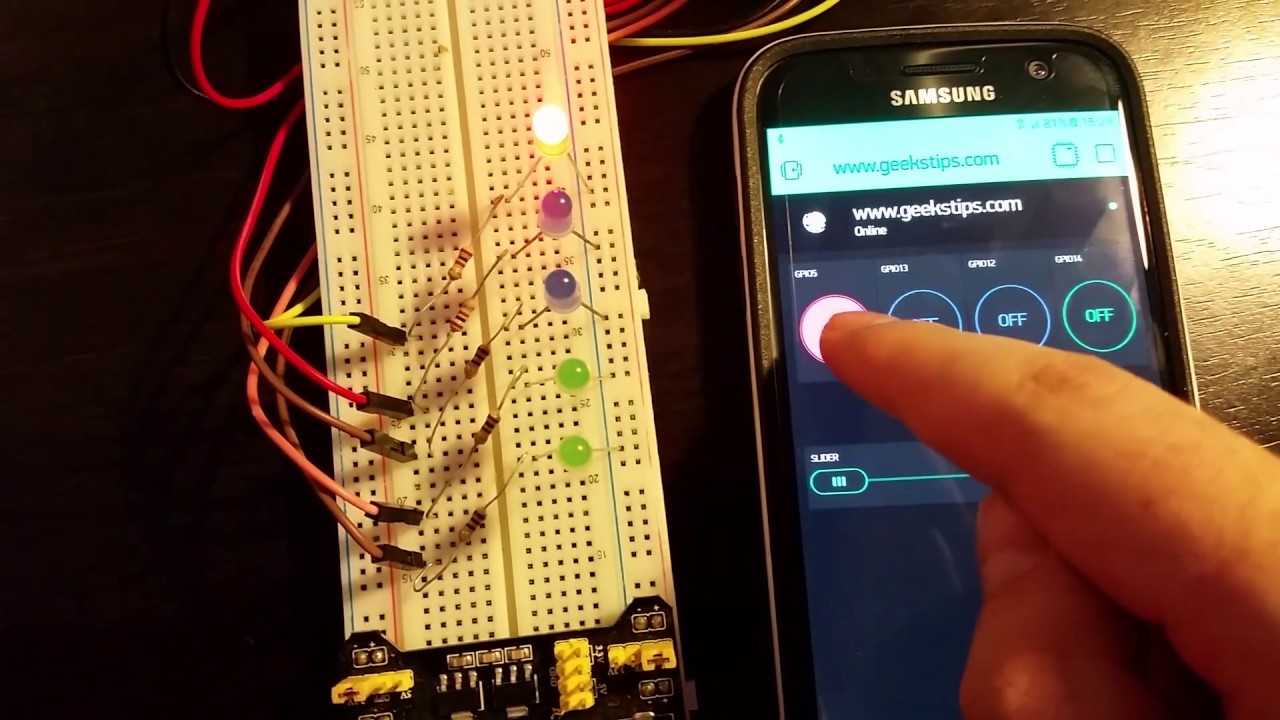
Internet of Things for non-programmers with Arduino, Blynk and ESP8266-12F

TiNKERIOT | Internet of Things for non-programmers with Arduino, Blynk and ESP8266-12F

The answer is NO — you don’t need to be a programmer to build Internet of Things (IoT) automation projects!

I get asked all the time: “What exactly is the Internet of Things, and can I create IoT projects without knowing how to code?”
In this article, I’ll show you how to control devices from your smartphone using the ESP8266 WiFi module and the Blynk platform, without writing a single line of code.

There are so many people who want to bring smart features to everyday objects — and honestly, it makes sense. People love to control things, especially remotely.

I personally know at least five experienced electronics engineers over 40 who are incredibly skilled in hardware but have almost no programming background. Some never had the opportunity to learn, while others simply aren’t interested — and that’s totally fine. What matters is that all of them are very excited about the idea of controlling devices over the internet.

And it’s not just engineers — even friends who’ve never touched a resistor are now curious about remote monitoring, automation, and control. IoT is no longer just for coders — it’s for everyone.
Read more

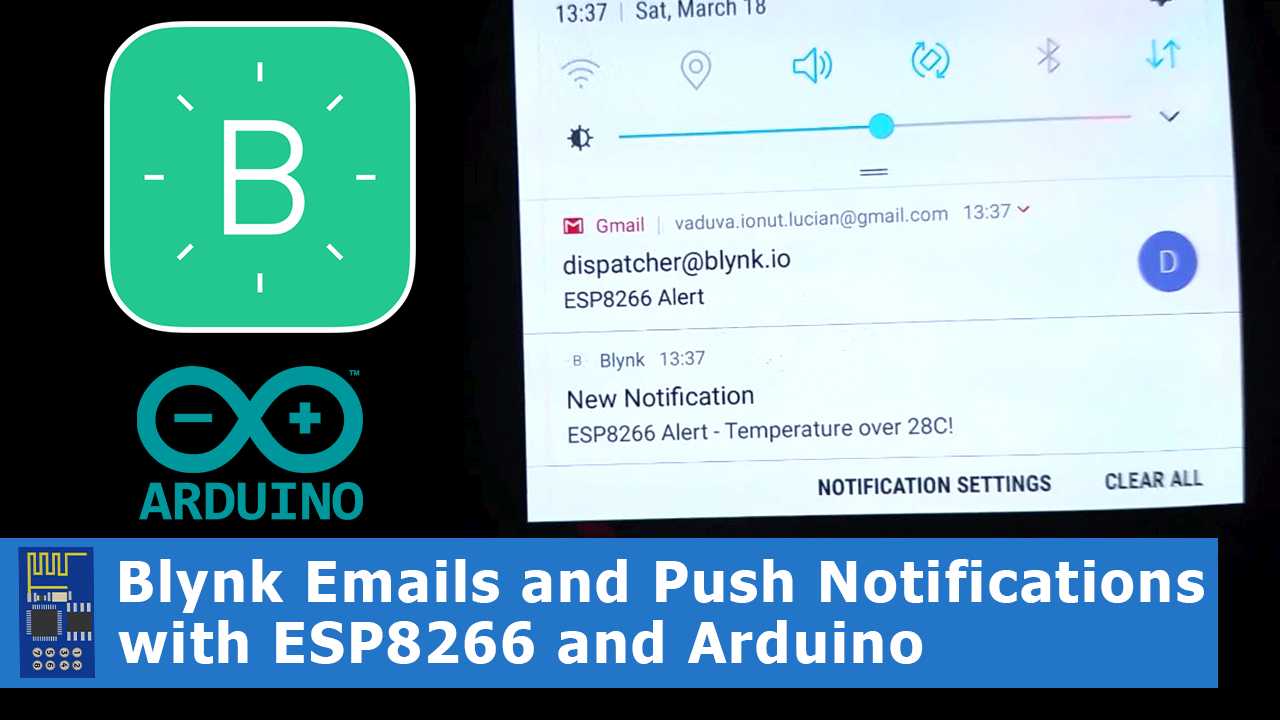
Blynk Email and Push Notifications tutorial – ESP8266 Arduino Example

Blynk Email and Notification - ESP8266 Example 01

In this quick tutorial we are going to learn how to send emails and push notifications from the WiFi ESP8266 module, or any other IoT device, using Blynk Email and Push Notification APIs. For this demonstration we are going to build a simple thermometer project and then setup temperature Alarm points. Whenever the alarms will trigger, an email and a push notification will be sent.

Read more

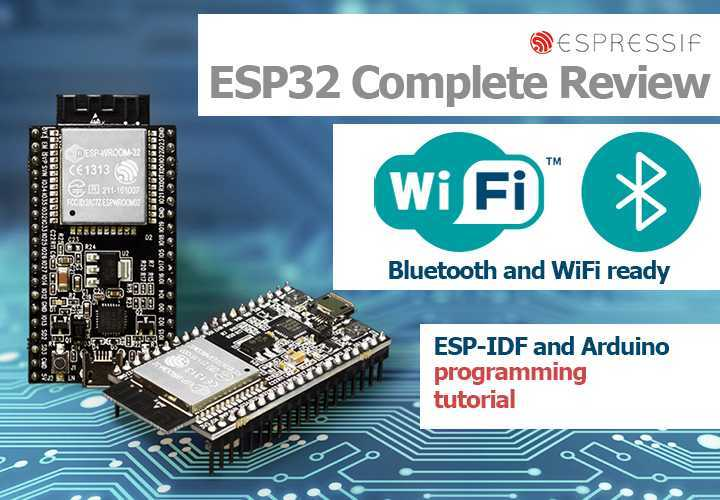
ESP32 Development Board Review: Why It’s My Go-To for Serious DIY Projects

A few years ago, I was deep into building sensor nodes, displays, and web-connected gadgets with the good old ESP8266. And it worked. But as my projects grew — more sensors, faster data, Bluetooth requirements — I started hitting limits.

Then I picked up my first ESP32 development board… and everything changed.

The ESP32 isn’t just an upgrade — it’s a whole different level of capability, without losing the simplicity that makes ESP-based boards so appealing. If you’re working on anything from a smart home controller to a wearable device, or even a connected robot, the ESP32 has probably already crossed your radar.

In this article, I’ll walk you through what makes the ESP32 special, why I use it, what to expect from it, and a few quirks you should know upfront. This is hands-on, from a maker’s perspective — not a datasheet dump.

Read more

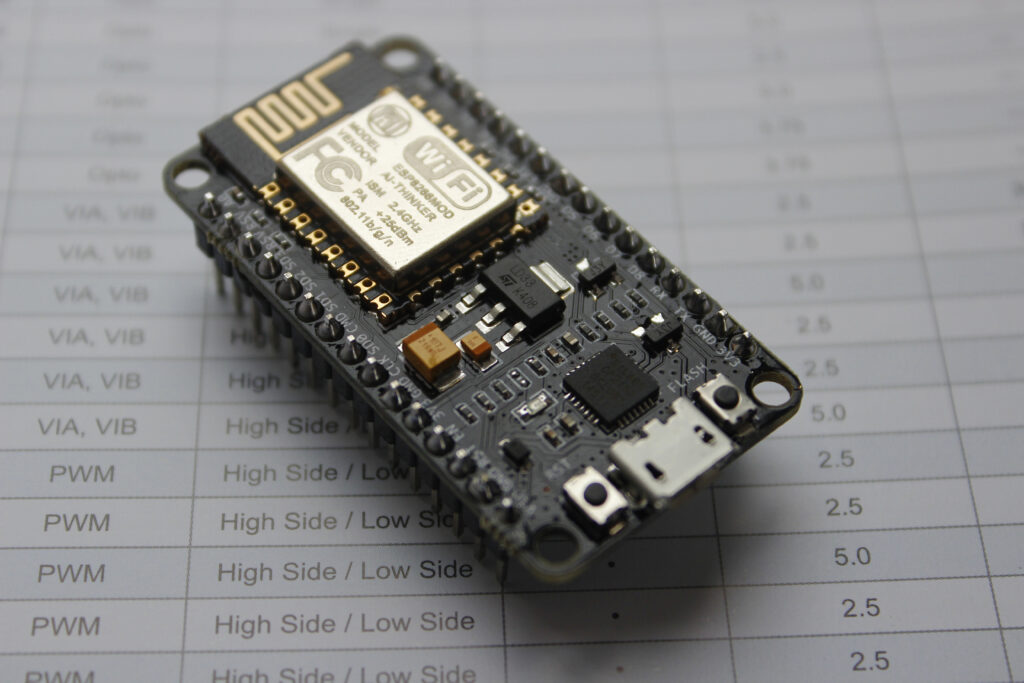
ESP8266 NodeMCU: Still the Best Starter Board for DIY IoT in 2025

If you’re just starting out with DIY electronics or building your tenth smart home gadget, chances are you’ve used — or at least heard of — the ESP8266 NodeMCU development board.

It’s been around for years, but this board hasn’t lost its place on my desk. And there’s a good reason for that.

The NodeMCU is cheap, flexible, easy to work with, and still incredibly relevant for Wi-Fi-based Arduino projects in 2025. Whether you’re building a smart sensor, weather station, alarm system, or something completely wild, this board can probably do the job.

This article is my take — after years of working with the ESP8266 — on what makes the NodeMCU such a solid choice, what you need to watch out for, and why it still holds its own against newer alternatives.

ESP8266 NodeMCU: Still the Best Starter Board for DIY IoT in 2025

Read more

ESP32 – Cheapest IoT WiFi and Bluetooth ready module

ESP32 Wifi Bluetooth Module Review

Introduction While ESP8266 is still one of the most used WiFi development board in handmade IoT projects, the new ESP32 is getting allot attention. Although its not so new, the ESP32 popularity has began to grow in the last year mostly because of its Bluetooth capabilities, but not only. The ESP32 comes now with almost … Read more

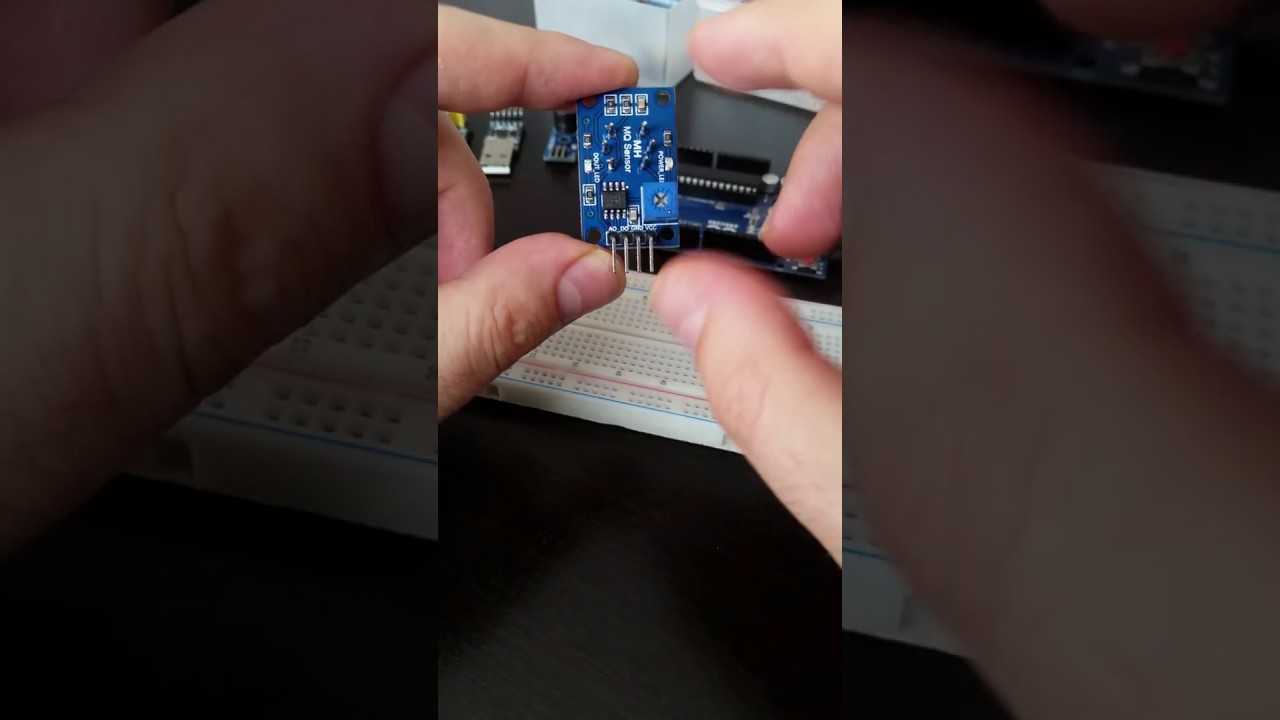
Ultimate Guide to MQ4 Gas Sensor – Accurate Methane Detection with Arduino (MQ3 & MQ4)

TiNKERIOT | Ultimate Guide to MQ4 Gas Sensor – Accurate Methane Detection with Arduino (MQ3 & MQ4)

Can you monitor natural gas leaks using an Arduino without spending a lot of money? Absolutely.

There are plenty of gas sensors available online, and most of them are surprisingly affordable — especially if you buy directly from manufacturers or trusted sellers on major Asian marketplaces. For example, I picked up an MQ4 gas sensor for just $1.29 from a well-known electronics supplier in China.

In this article, I’ll show you how to use MQ3 and MQ4 sensors to detect methane and natural gas with an Arduino, without breaking the bank. Whether you’re building a DIY gas alarm or experimenting with your first sensor project, this guide will walk you through everything you need to know — from wiring and code to choosing the right sensor for your setup.

Read more